How Client Communication Tools Improve Veterinary Practice Efficiency and Pet Care
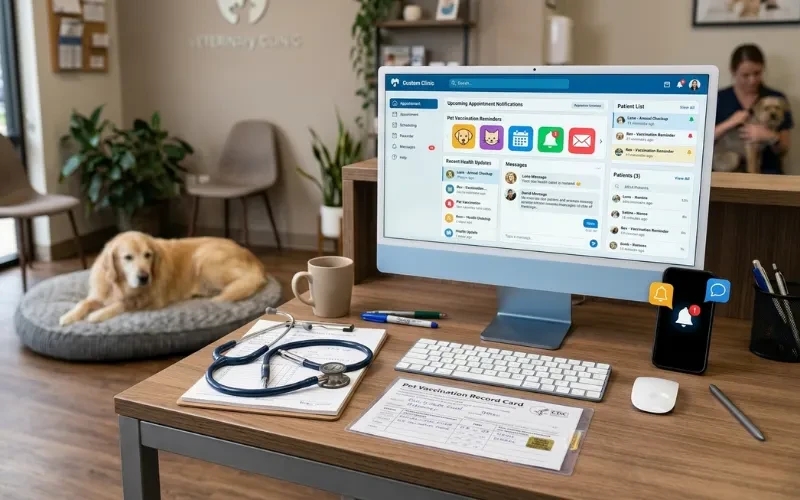
Communication is one of the most important aspects of running a successful veterinary practice. Pet owners rely on veterinarians not only for medical expertise but also for guidance, reassurance, and timely updates about their pets’ health.
However, traditional communication methods such as phone calls and manual reminders can be time-consuming and difficult for veterinary teams to manage. Modern veterinary platforms are transforming how clinics communicate with pet owners by introducing digital communication tools that improve efficiency and enhance the overall client experience.
By using the right technology, veterinary practices can reduce administrative workload, improve appointment attendance, and strengthen relationships with their clients.
The Communication Challenges Veterinary Clinics Face
Veterinary clinics manage a large number of client interactions every day. These include scheduling appointments, sending reminders, answering questions, and providing updates on treatments or test results.
Without the right tools, communication can become overwhelming for staff members.
Some common challenges veterinary clinics face include:
- Missed appointments due to a lack of reminders
- High call volumes during busy hours
- Delays in responding to client questions
- Difficulty keeping clients informed about pet care
- Limited time for staff to handle administrative communication
These challenges can impact both clinic efficiency and client satisfaction.
The Role of Digital Communication in Veterinary Care
Digital communication tools allow veterinary clinics to stay connected with pet owners while reducing the time spent on manual tasks.
Instead of relying solely on phone calls, clinics can use technology to send automated messages and updates.
These systems help clinics communicate through:
- Appointment reminders
- Follow-up messages
- Health reminders
- Educational content
- Client notifications
By automating many routine communications, veterinary teams can focus more on patient care.
Appointment Reminders Reduce Missed Visits
Missed appointments are a common issue in veterinary clinics. When clients forget their scheduled visits, it affects clinic scheduling and revenue.
Automated appointment reminders help solve this problem.
These reminders can be sent through email or text messages before the scheduled visit, giving clients enough time to confirm or reschedule their appointment.
This simple solution can significantly reduce no-shows and improve clinic efficiency.
Keeping Pet Owners Informed
Pet owners appreciate regular updates and helpful reminders about their pets’ health.
Digital communication tools allow clinics to send messages about:
- Vaccination schedules
- Wellness exams
- Parasite prevention
- Dental care reminders
- Seasonal pet health tips
These reminders encourage pet owners to stay proactive about preventive care, which ultimately leads to healthier pets.
Faster Responses to Client Questions
Pet owners often have questions about their pets’ symptoms, medications, or recovery after procedures.
If clinic staff are overwhelmed with phone calls, responding quickly can become difficult.
Online communication systems allow clinics to manage client messages more efficiently.
Instead of waiting on hold, pet owners can send questions through digital channels and receive timely responses.
This improves the overall client experience and reduces stress for both pet owners and veterinary teams.
Building Stronger Relationships with Pet Owners
Good communication builds trust between veterinary clinics and pet owners.
When clients feel that their veterinarian is accessible and responsive, they are more likely to remain loyal to that practice.
Consistent communication also allows clinics to provide valuable education about pet health, helping clients make better decisions for their pets.
Over time, this strengthens the relationship between the clinic and the community it serves.
Supporting Veterinary Staff Productivity
Veterinary teams work in a fast-paced environment where time is extremely valuable. Administrative tasks such as calling clients for reminders or follow-ups can consume a large portion of the day.
Automated communication tools reduce the burden on staff by handling routine messaging tasks.
This allows veterinary teams to focus on more important responsibilities, such as:
- Patient examinations
- Treatments and procedures
- Client consultations
- Emergency care
Improving efficiency helps create a smoother workflow within the clinic.
Integrating Communication with Veterinary Websites
A veterinary clinic’s website is often the first place where pet owners interact with the practice. When communication tools are integrated with the website, it creates a seamless experience for clients.
Pet owners can easily:
- Request appointments
- Access important information
- Receive automated reminders
- Stay updated with pet care content
Platforms like MyVetHub help veterinary clinics integrate their websites with communication and marketing tools, making it easier to manage client engagement in one place.
The Future of Veterinary Client Communication
As technology continues to evolve, veterinary communication systems will become even more advanced.
Future innovations may include smarter automation, improved analytics, and more personalized communication for pet owners.
Clinics that adopt modern communication tools will be better positioned to provide excellent service while managing their operations efficiently.
Conclusion
Effective communication is essential for providing high-quality veterinary care. By using digital communication tools, veterinary clinics can improve efficiency, reduce missed appointments, and build stronger relationships with pet owners.
Modern platforms like MyVetHub help veterinary practices integrate website management, marketing, and client communication into a single system, allowing clinics to focus on what matters most, delivering exceptional care to pets and their families.